

I thought blogging was basically dead in 2026—until Charlotte Pixels blog about Airbnb photography kept bringing in calls months and even years after it was published.
While social posts disappear in days, that blog kept showing up on Google for real searches like “Airbnb photographer Charlotte NC” and “short-term rental photography near Lake Norman.” No ads. No reposting. Just hosts already searching and ready to book.
That’s when it became clear: blogging isn’t dead. Generic blogging is.
If your business serves Charlotte, your blog article isn’t just content—it’s a 24/7 salesperson quietly working while social posts vanish. Stick with me, because this is where most local businesses get it wrong.
Why This Series Exists
Blogging isn’t about choosing blog vs social.
It’s about owning your business or services visibility in a world where algorithms, AI search, and platforms change overnight.
This series of 5 articles breaks down how and why blogs still win in 2026, and how social media, AI search, and local SEO fit around owned content—not the other way around.
If you want the full picture, after finishing this article, read these next four:
- How AI Search Finds and Ranks Content in 2026 Why AI pulls from blogs, not feeds, and how authority is built over time. → Read the AI search breakdown
- Local SEO in 2026: How Charlotte Businesses Get Found How blogs, neighborhoods, and local intent drive real visibility. → See how local SEO actually works
- Social Media vs SEO in 2026 When social helps, when it doesn’t, and where real buyers come from. → Compare SEO vs social
- Why Owned Content Beats Social Media The risk of rented platforms and why owning content compounds. → Learn why content ownership matters
Key Takeaways
- Blogging is still a high-ROI SEO channel in 2026, creating evergreen content that ranks, compounds traffic, and outlasts fleeting social media posts.
- For Charlotte businesses, locally focused blog posts signal geographic relevance to Google, improving visibility in “near me” and city-specific searches.
- Publishing consistent, locally informed content around real Charlotte search trends captures long-tail keywords and attracts ready-to-buy, high-intent visitors.
- Blog articles convert readers into leads with clear local calls to action, such as booking consultations, requesting quotes, or downloading neighborhood-specific guides.
- Charlotte blogs that spotlight local partners, events, and stories earn community backlinks and authority, further boosting organic rankings and long-term SEO performance.
Is Blogging Still Worth It for SEO in 2026?
Most Charlotte business owners don’t stop blogging because it doesn’t work. They stop because they post for months, see nothing happen, and assume Google or other search engines doesn’t care.
The truth is simpler: blogging still works in 2026, but only when it answers real questions people are actively searching for.
Search engines still crave fresh, useful pages they can index, rank, and show off. That’s your blog. When you publish focused posts that answer real questions, you create long‑tail keywords, internal links, and topical depth Google can’t ignore. It’s slow-burn power. Not fireworks. More like a gas line.
A smart blog sits at the center of your content strategy. Every post attracts search traffic, then warms people up with stories, examples, and clear next steps. That’s built-in audience engagement.
People stay longer, click deeper, and actually remember you—without paying for ads or boosts.
Blogging vs Social Media for Charlotte Visibility
When it comes to getting noticed in Charlotte, social media is flashy, but your blog is the thing that keeps showing up months later when someone Googles “best [your service] in South End” at 11:47 p.m. on a Tuesday.
Feeds scroll past and vanish; blog posts stick, build up, and quietly stack your local visibility like bricks on Trade Street.
Plus, on your blog you’re not fighting the algorithm circus. You control how your content shows up, how long it lives, and how people experience it.
For example, at Explore Charlotte, we repurpose the same photos and stories we create for social media and publish them on our site as well. That gives us more flexibility in how we present the content, without platform rules, cropping limits, number of photos we can share in a carousel or reach restrictions. The same content works harder, in more places, for a longer time.
[You can see how we do this on our socials page.]
And here’s the real advantage. If Instagram or Facebook suddenly limits reach or even takes an account down overnight (yes, it happens), our content doesn’t disappear. We still own it. It still ranks. It still works for us around the clock.
And to show how this works in real life, look at how we use our own content at Explore Charlotte.
When we share a story on our site, we can link directly to the full article from the same Instagram-style post. No hoops. No paywall. Just a clear “read the full story” link that actually works.
Click Here to see the example story post
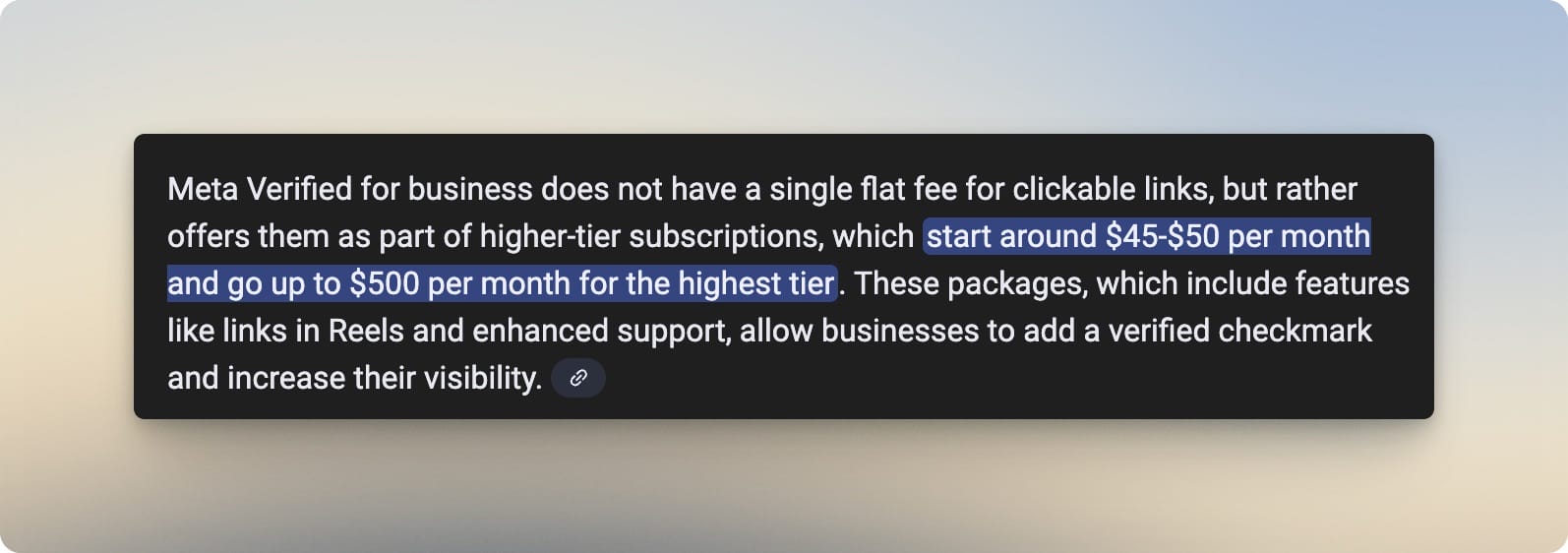
Now imagine trying to do that only on social media. Platforms are built to keep people scrolling, not clicking out. Even adding simple clickable links often comes at a cost. For example, Meta pushes businesses toward paid options like verified profiles, which at the time of writing can range from roughly $45 to $500 per month, just to unlock more link flexibility.
On our own site, there’s no restriction. The content lives in one place, links freely to deeper stories, and keeps working long after the post is shared. Same content. More control. Real compounding value.
That’s the difference between publishing content you own and posting content you rent.
That’s the difference between renting attention and owning it.
Long-Term Local Visibility
Even if your Instagram Reels pop off this week, ask yourself: in three months, will anyone in Charlotte still *find* you because of them?
Blogging will. Because posts stick around, show up in Google, and keep pulling in searches like “HVAC repair Plaza Midwood” or “best brunch in South End.”
That’s long term strategy, not just vibes. You publish once and those words keep working while you sleep, scroll, or panic-post another sale.
Plus, every local guide, FAQ, and story you share builds real community engagement. People bookmark, share, and link. Google notices.
Your competitors? Still chasing yesterday’s likes. You’re building a map that always points back to you.
Year after year, new Charlotte neighbors search, your blog answers, and your brand wins big.
Deeper Engagement Than Feeds
Likes are cute, but they’re shallow. You know it. One fire post, then poof—it’s buried under latte art and vacation flexes.
Social feeds want speed. Your Charlotte customers want substance. That’s where blogging wrecks the feed game. Longer posts let you unpack deeper content: real examples, local stories, screenshots, quotes from clients on South Tryon, the whole thing.
People stay. They scroll. They think, “Okay, these folks actually get it.” That’s audience connection. Not just a thumb tap. A bookmark. A reply. A consultation form.
With a blog, you control the space, the pace, the vibe. No algorithm mood swings, no trend-chasing treadmill. Just you, your expertise, and Charlotte neighbors who actually stick around.
That’s where trust builds, rankings grow, and revenue stops ghosting.
What Charlotte Customers Are Actually Searching For
How do you actually know what people in Charlotte are typing into Google at late night. while they’re half‑doomscrolling, half‑shopping? You look at real Charlotte search trends, not guesses from your cousin who “knows marketing.”
People aren’t searching “innovative solutions.” They’re typing “best brunch in Plaza Midwood,” “emergency AC repair South End,” “kids dentist open Saturday near me.” Real life. Real panic. Real caffeine.
When you study customer behavior, you see patterns. Seasonal spikes for “HVAC checkup” the first hot week in April. Desperate hunts for “last‑minute birthday cake Charlotte” every Friday. Endless “pet‑friendly apartments NoDa.”
That data tells you what problems to solve, what questions to answer, what words to use so your content feels freakishly accurate. Almost like you read their minds.
How Local Blogging Drives Charlotte SEO Wins
Getting traffic is exciting—until you realize traffic alone doesn’t pay the bills. Many Charlotte blogs fail not because they lack readers, but because they never tell those readers what to do next.
Every post you write screams, “I’m here, I’m active, I know this city.” Neighborhood guides. Event recaps. Hot takes on Plaza Midwood parking nightmares.
That’s the local content Google uses to match you with people actually searching “near me.” You’re feeding the algorithm fresh proof you’re relevant now, not three years ago.
Plus, blogging shows real community engagement. You shout out vendors, link to partners, highlight local nonprofits.
Suddenly other Charlotte sites link back. Boom—authority. Rankings climb. Your brand stops hiding on page three and starts owning those “Charlotte + your service” searches.
You don’t chase clicks; Charlotte customers start chasing you instead.
How to Turn Blog Traffic Into Local Leads
Once your Charlotte blog starts pulling real traffic, pageviews alone are just… vanity metrics with better fonts—you need those readers turning into actual leads.
So treat every post like a storefront on South End, not a diary entry. Add bold, local calls to action: “Book a free roof consultation in Charlotte,”. That’s where lead generation strategies start working.
Then tighten the screws with content optimization. Use simple forms above the fold, click-to-call buttons on mobile, and irresistible lead magnets: a Charlotte moving guide, a brewery map, intimate wedding venue in charlotte.
Make it a no-brainer trade: they get hyper-local value, you get emails, phone calls, booked appointments. Traffic is cute; leads pay the bills.
Simple Charlotte Blogging Plan for Local Businesses
Even if you’re running on sweet tea and chaos, you can still have a simple, powerful blogging plan for your Charlotte business.
Start with one clear goal: get nearby customers to know, like, and trust you. Then build a no-drama content strategy around it.
Pick three core topics: your services, Charlotte life, and proof you get results. That’s it. Rotate them. Week after week.
Use tight audience targeting. Talk like you’re writing to one stressed person in Plaza Midwood or Ballantyne who needs help today. Name neighborhoods, landmarks, problems.
Post at least two solid blogs a month. It does not have to be daily. Not “when you feel inspired.” Consistent, short or medium, useful posts.
Add clear calls to action and local keywords, then hit publish. Watch locals notice you, remember you, choose you when they need you.
Measuring Charlotte Blog ROI: Scale or Pause?
So how do you know if your Charlotte blog is a hidden money machine…or just a very polite hobby? You measure it. Cold, clear, no-excuses numbers.
First, track blog performance that actually matters: organic traffic from Charlotte, time on page, leads, calls, booked consults. Not just “likes.” Likes don’t pay rent on South End office space.
Then, ask: is this supporting your content strategy or just feeding your ego? If a post pulls local traffic and leads, double down. Write spin‑offs. Update it. Build offers around it.
If months go by and your blog’s quieter than Uptown on Monday at 5 a.m.? Pause. Fix topics, titles, and CTAs. More content is always in need.
Then relaunch, sharper and louder. Because when blog prints customers, you don’t walk away from it.
Frequently Asked Questions
How Often Should Charlotte Businesses Update Old Blog Posts for Better SEO?
You should refresh key Charlotte posts every 3–6 months if the information you wrote become outdated, aligning blog update frequency with traffic and rankings. Prioritize posts targeting local queries, improve content relevancy, update data, links, and calls-to-action.
Do AI Writing Tools Hurt or Help Local Blog Rankings in 2026?
AI writing tools help your local blog rankings when you treat AI content as a draft, then improve writing quality and content relevance; they hurt when you publish unedited outputs that dilute authority over time.
What Blogging Mistakes Can Damage a Charlotte Brand’s Online Reputation?
You damage your Charlotte brand when you post inconsistently, ignore ideal blogging frequency, reuse generic articles, neglect content originality, chase irrelevant keywords, ignore user and local search intent, skip edits, ignore comments, or publish factually thin, sales-only posts.
How Long Should a Local Seo-Focused Blog Post Typically Be?
Aim for 900–1,500 words for local SEO posts, but prioritize content quality over strict blog length. Cover search intent, local keywords, FAQs, directions, and unique value until you’ve fully helped nearby customers and encouraged action.
Is It Better to Host a Blog on a Subdomain or Main Domain?
You’ll get better SEO by hosting your blog on your main domain, leveraging main domain advantages like shared authority, stronger internal links, and consolidated backlinks, while subdomain benefits apply to separating brands, languages, or tools.